With Europe aiming to be the world’s first circular economy by 2050, wastestreams don’t exist. Every element, every substance can be used for making something else. ChainCraft, a Wageningen University & Research spin-off that has grown into a biotechnology scale-up, aligns perfectly with this vision, as it valuable chemicals from organic waste streams, making a significant impact in helping to decarbonize the chemical industry.
The Amsterdam-headquartered company can convert food sidestreams into fatty acids, elements used in a wide range of applications, including animal nutrition products, lubricants, and many other products we use in our daily lives. Yet, compared to fatty acids produced from palm oil and fossil oil, ChainCraft’s carbon footprint is three to six times lower. It all starts with fermentation, where bacteria break down food residues. In a second fermentation process, the magic happens, creating a culture where bacteria produce the molecular structures that result in the end product. It takes a week to transform organic waste into fully functional fatty acids.
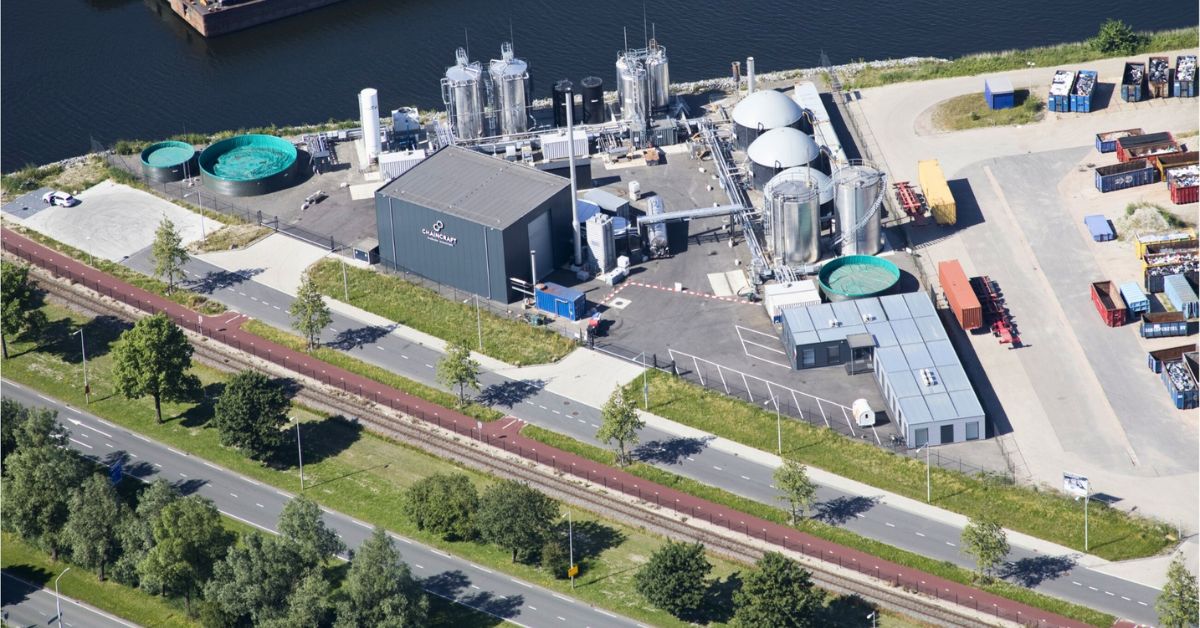
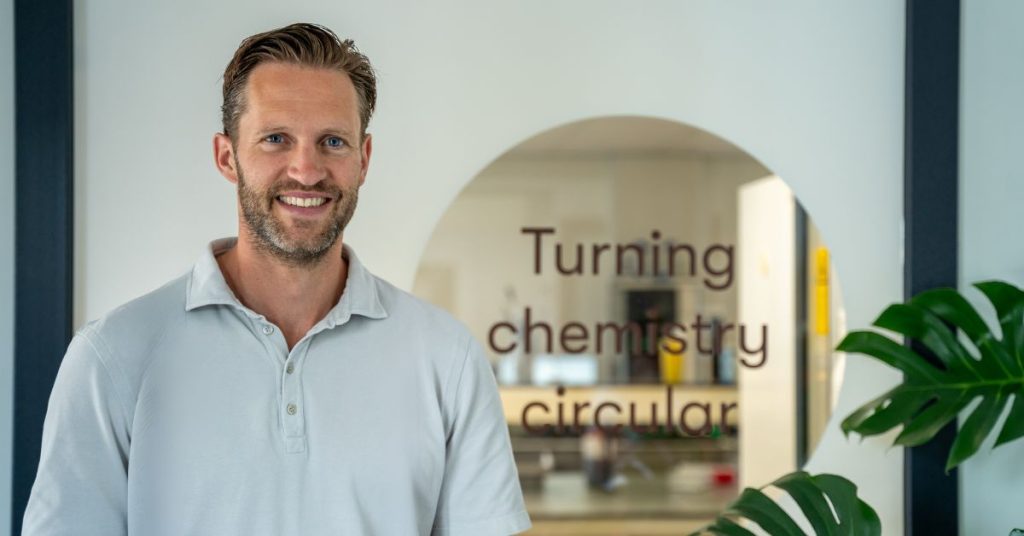
The company is among the ventures to be supported by StartLife in its early years. “At the time, StartLife was a startup itself; it was finding its way. There was not a structured program as it is today, but we could still count on them for early-stage advice,” recalls Niels van Stralen, co-founder of the company. Much has happened since those very first pieces of advice, with ChainCraft evolving from an early-stage venture into a scale-up preparing for industrial production. In 2013, ChainCraft relocated and shortly after started operating a demo plant in the port of Amsterdam, where it could validate its technology, producing thousands of tons of fatty acids.
Valorizing a Potato Industry Byproduct
The company is ready for its next step. It has partnered up with potato starch manufacturer Avebe to build a factory in the North of the Netherlands. The new plant will utilize potato starch production sidestreams to produce sustainable fatty acids. Currently, the watery sidestream is concentrated through evaporation—a process that requires high energy inputs. ChainCraft is working to raise a €150 million funding round to finance the construction of the factory, which is expected to be operational by 2028 and has secured the first offtake agreements.
Partnering up with a multinational company is one of the highlights of ChainCraft’s journey.
“As an early stage company, the key to appealing to big players is offering them a solution that is both cost-competitive and more sustainable than what they already use. At the same time, as a company, you need to prove you have a working technology and you can deliver.” ~ Niels van Stralen
Founding a Startup Is a People’s Business
Throughout ChainCraft’s fifteen-year journey, there is one great lesson that Niels doesn’t hesitate to share with budding entrepreneurs. “Surround yourself with the best possible people for that stage of the company. It is a people’s business, and to progress, you need to have the best individuals. Networking surely helps, as structured hiring processes also do,” he concludes.
Discover More Insights And Success Stories In Our 15-Year Anniversary Magazine
Dive into our special 15-Year Anniversary Magazine, highlighting the startups, partners, and innovations shaping the future of food and agriculture. Explore inspiring stories, key milestones, and what’s next for our ecosystem. Read Online or Download the PDF