In a world where food, technology and raw materials are increasingly being used as geopolitical instruments of power, the Dutch agrifood sector is becoming more strategically important. Around Wageningen, one of Europe’s most comprehensive agrifood innovation ecosystems is taking shape, bringing together knowledge, entrepreneurship, capital and market development in a single thriving hub.
The Netherlands faces an urgent mandate to secure its strategic and economic footing in a future defined by geopolitical volatility, climate disruption and technological change. Wageningen’s fast-growing innovation ecosystem is confronting that future head-on.
The Dutch economy’s core challenge is “about more than just our competitiveness,” former ASML chief Peter Wennink wrote his landmark report last year. “It is about strengthening our societal resilience.” The Food 2040 investment agenda, developed in response to his call to action, recognizes the Dutch agrifood sector as both key to that resilience and “geopolitically vital.” Yet the industry’s world-leading position “is under pressure” from global competitors, financing hurdles and policy and infrastructure gaps, the agenda notes. Without action, the Netherlands could miss out on creating up to €110 billion in economic value and €15 billion in tax revenue by 2040.
Dutch policymakers and investors are actively searching for ways to unlock the next wave of growth, and they’re prioritizing knowledge and innovations that can be developed quickly into real-world applications, scalable businesses and new markets.
Wageningen is precisely the place to look, says Sebastiaan Berendse, Director of Value Creation and Impact at Wageningen University & Research. “We have decades of expertise in agrifood research and education, and we’re globally recognized for that,” he says. “By connecting this knowledge with entrepreneurship, technology, research infrastructure, talent and market opportunities, we create tremendous economic, societal and ecological value for the Netherlands and beyond.”
A diverse and vibrant ecosystem
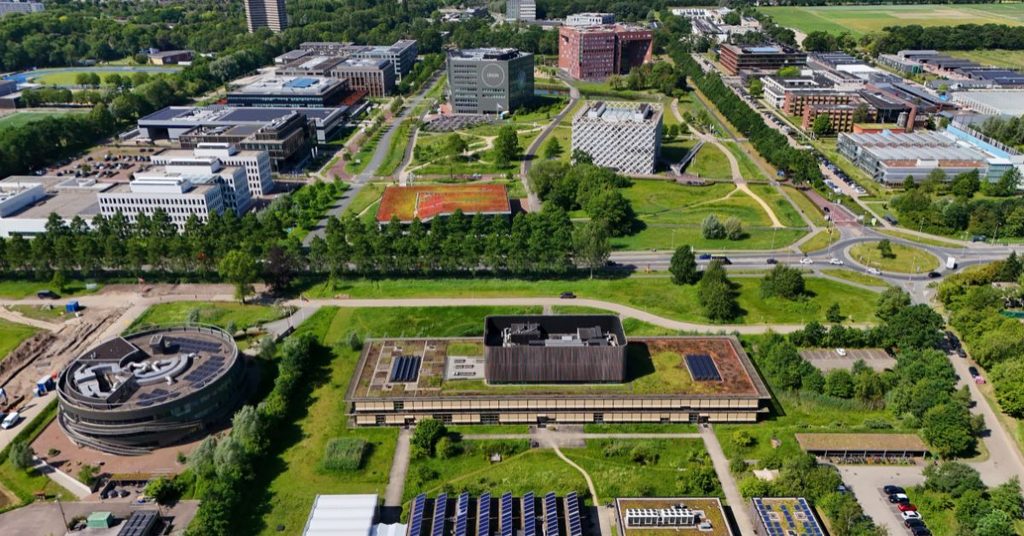
Wageningen Campus is now home to 25,000 professionals and students and over 240 organisations, including scientific centres like NIOO-KNAW and the Jan IngenHouzs Institute. It also hosts the research arms of around 25 multinationals such as KWS Vegetables, Unilever, Flora Food Group, dsm-firmenich, FrieslandCampina and Yakult’s first global R&D centre outside Japan. Wageningen is also the headquarters of almost 200 innovative SMEs such as KeyGene and PhageGuard, as well as startups and scale-ups including Revyve, Greencovery and Scope Biosciences.
“Our focus is on building a globally competitive ecosystem where companies from the Netherlands and abroad want to set down roots,” says Anne Mensink, Manager of Wageningen Campus and Shared Research Facilities. “They come here to gain access to world-class scientific expertise, a vibrant community of young talent and potential partners, and to make use of shared research facilities.” What makes this campus particularly attractive is its diversity—not only the types of organisations based here but the range of domain expertise they contribute. Innovation often emerges when knowledge and expertise from different disciplines are combined. Yet scaling breakthrough innovations requires developing commercial applications, business models and value chains. At Wageningen Campus, organisations also collaborate on the various steps needed to translate knowledge and innovation into practical, real-world applications.
Bridging science and practice
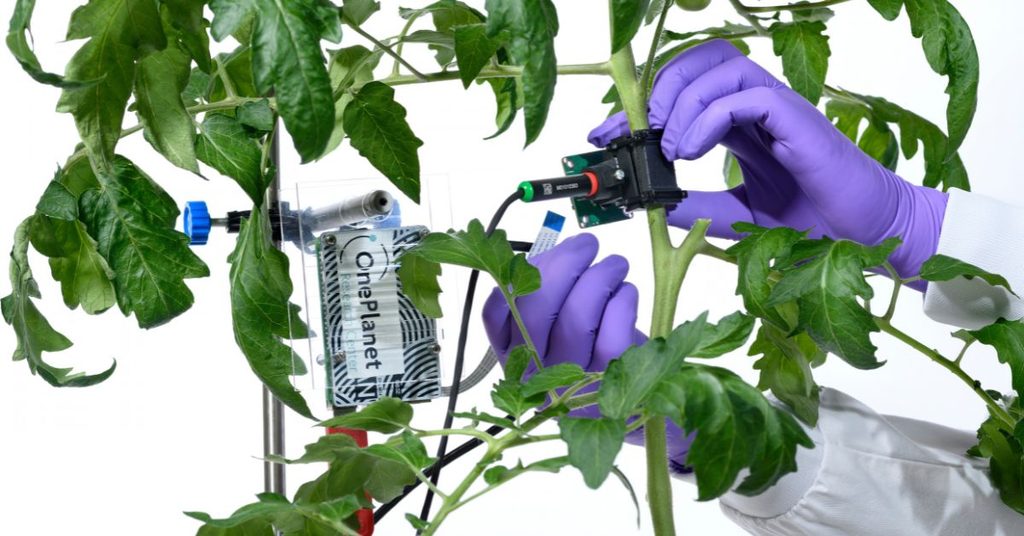
OnePlanet Research Centre exemplifies these multidisciplinary efforts. The center brings together Imec’s expertise in semiconductors, photonics and sensor technology with domain knowledge at Wageningen University & Research, Radboud University and the Radboudumc medical center. Together, these partners create prototypes of solutions that can be integrated at scale into the agrifood, health and environmental sectors.
“Our strength is that we can bridge the gap between research and application,” says Gülden Yılmaz, OnePlanet’s Director of Agri, Food and Environment. “We combine science and domain expertise with deep tech to develop prototypes ourselves, and then test them in real-world settings. “This closes the gap between a promising research result and a technology that a company can actually apply and scale up.”
The photonic sensors OnePlanet recently developed are being prepared for field-testing in cattle barns to monitor livestock emissions, among a wide range of air quality and health-related measurements. The initiative recently secured funding from the Province of Gelderland, and the Dutch Ministry of Agriculture Fisheries, Food Security and Nature (LVVN).
Several technologies developed by OnePlanet are now moving toward broader applications across the agriculture, food, environmental and healthcare sectors. Combining photonics with market expertise and regulatory knowledge of product and quality parameters, OnePlanet recently built a compact sensing platform that’s now being validated for use in food quality assurance. The goal is to convert this technology into a scalable product that can fold seamlessly into existing industrial processes.
“We are working within larger national and European programmes in which technology providers, knowledge partners, companies and governments jointly create the scale needed to bring new technologies into widespread application,” Yılmaz says.
Making innovations commercially viable
World-class research only creates economic value when it reaches the market. StartLife, Europe’s first agrifoodtech startup accelerator, plays a critical role in turning promising science and technology into investable, scalable companies. Based on Wageningen Campus, StartLife connects deeptech entrepreneurs with specialist expertise, industry partners and international investors. Since 2010, it has supported more than 440 startups from 36 countries, which together have raised over €855 million in follow-on investment.
“Supporting startups is about much more than helping individual companies grow,” says StartLife Director Nicola Harrison. “It is about ensuring that the knowledge and technologies developed here translate into new businesses, investment and economic value. If the Netherlands wants to remain a global leader in agrifood, we need to become as good at scaling innovation as we are at creating it.”
StartLife supports companies from early validation and product-market fit through to investment and international scale-up. Its programmes help founders develop stronger business models, access specialist agrifood knowledge and build relationships with the business decision-makers and financiers needed to reach commercial scale. Its Heroes programme focuses specifically on the challenges faced by scaling companies.
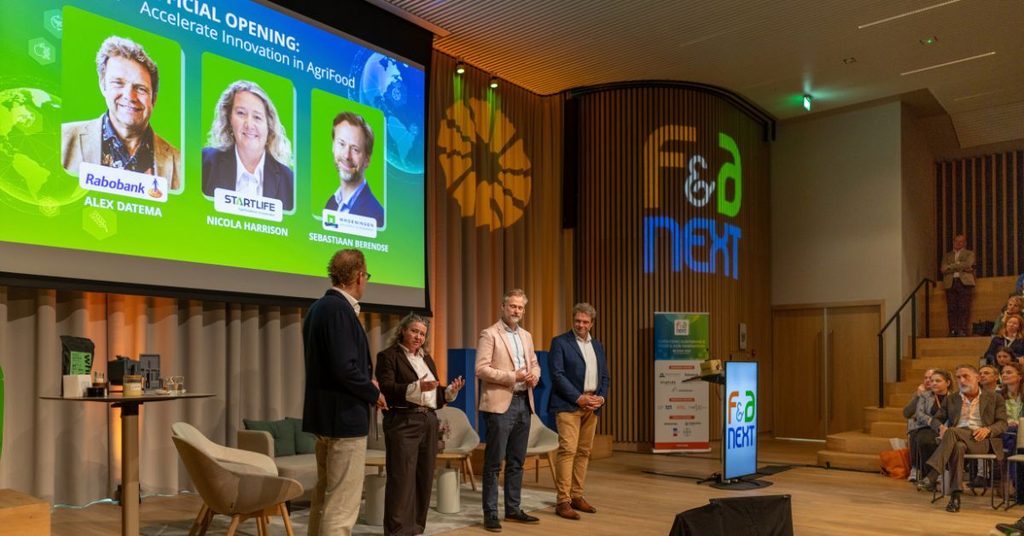
The annual international F&A Next conference, led by StartLife in Wageningen, brings together entrepreneurs, investors, corporate executives and other leaders from across the global agrifood ecosystem. It strengthens Wageningen’s position not only as a centre for research but as a place where agrifood companies can be built and financed.
This is becoming increasingly important as global risk financing for agrifoodtech remains significantly below its 2021 peak. Deeptech agrifood companies often require longer development periods and more patient capital than conventional technology ventures.
“The risk for the Netherlands is that we generate excellent technologies but fail to capture their economic value,” says Harrison. “We need specialist capital and an ecosystem capable of helping these companies grow here.”
Hudson River Biotechnology demonstrates the potential. After joining StartLife’s incubator programme in 2015, the company built its Wageningen network and relocated there to advance its CRISPR technology for improving plant traits. It has since raised more than €15 million.
Creating markets for scale
Because many innovations prove their potential in pilot projects without reaching the scale required for widespread adoption, Foodvalley focuses on creating the conditions that enable industry uptake. Founded in 2004, it operates independently, building long-term, trusted relationships with stakeholders across the entire food value chain.
“The Netherlands has plenty of good solutions. The real challenge is generating sufficient market demand to make innovations commercially viable at scale,” says Marjolein Brasz, CEO of Foodvalley. “We bring together international innovators and established market players and organise what no single party can achieve alone: clear market demand, shared standards, independent validation, long-term commitments and a fair distribution of risks and rewards.”
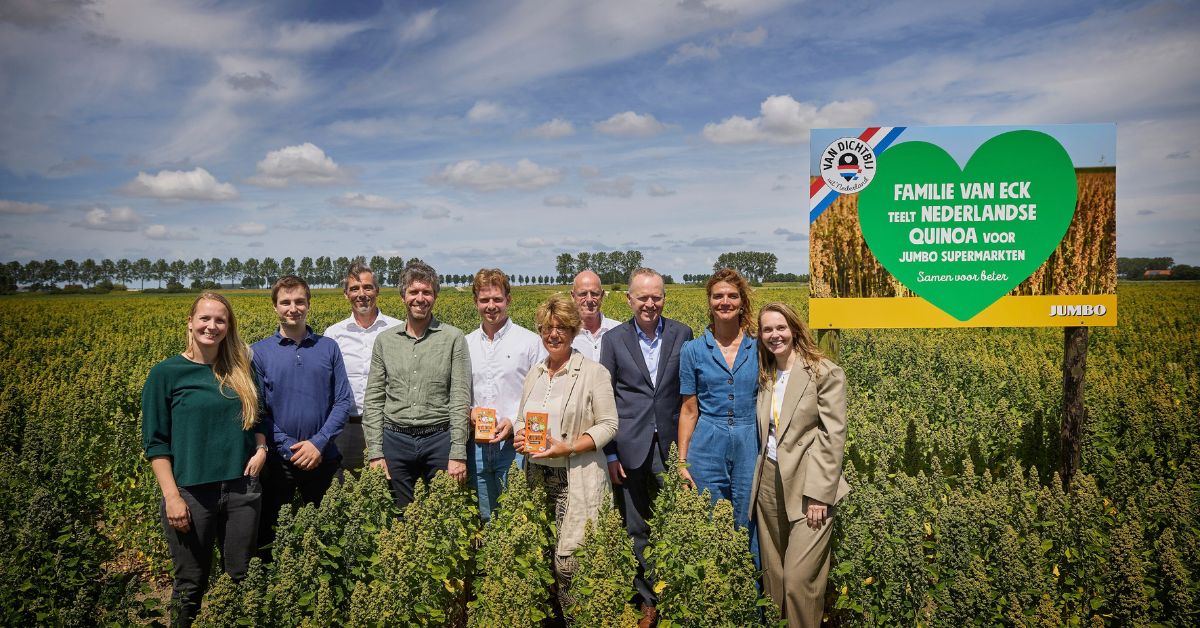
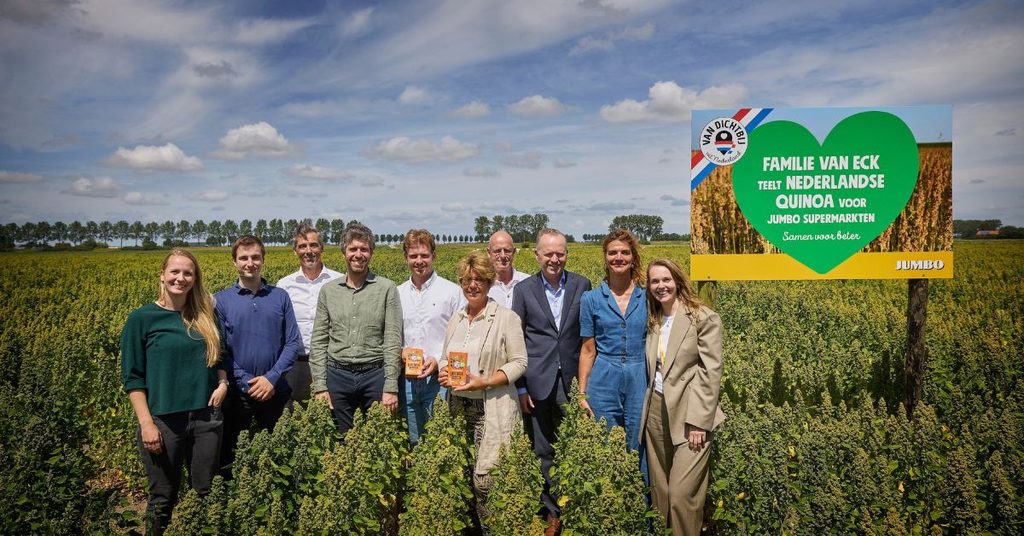
Foodvalley’s Plant Protein Forward initiative demonstrates how this works in practice. Farmers, processors, retailers and foodservice companies are collaborating to build markets for protein- and fibre-rich crops grown in the Netherlands. Agreements on volumes, quality standards, market access, pricing and risk-sharing provide the certainty that growers and buyers need, while ensuring an attractive business for all players. This approach has helped Dutch-grown protein crops such as quinoa gain a foothold in the market, finding their way into foodservice outlets, bakery chains and supermarkets, including all Jumbo stores across the Netherlands.
With UPcycled4Food, Foodvalley is creating a shared foundation for the wider adoption of new, high-value products and ingredients derived from food production side streams. Because producers, retailers and foodservice companies often apply different criteria when evaluating such products, a common basis for scaling them up is frequently lacking. To address this, retailers, foodservice companies and suppliers participating in the UPcycled4Food initiative are working together to develop reference products that can be independently assessed for their environmental impact, nutritional value, taste and economic viability. These shared standards and evidence-based assessments provide a stronger foundation for procurement, product development and investment decisions.
“Scale happens when parties move in the same direction and individual decisions become part of a shared route to market,” Brasz says. “Foodvalley organises that step.”
Building for the future
In the meantime, the Wageningen campus is still growing. Actively expanding eastern and western flanks offer new space for incoming organisations to join the ecosystem. These developments will also include additional housing for students and researchers, reaffirming the longstanding commitment to developing a world-class talent pipeline for agrifood innovation in the years to come.
“We’re proud of the progress we’ve made to push more of the breakthrough research that happens here into the market,” Berendse says. “We know it’s a critical time to be making these investments for the Netherlands, Europe and the beyond, but we also know that we’re just one piece of the puzzle.”